

The Best High School Courses & Activities for Pre Med Students
From core sciences to competitive extracurriculars, discover the essential steps high school students can take right now to prepare for a successful pre-med track in college.
If you’re a high school student dreaming of becoming a doctor, you might be wondering how to prepare for pre-med in high school. The good news is you can start laying the groundwork right now!
This article will walk you through everything you need to know, from high school classes for future physicians to the best extracurriculars for pre-med students.
What is Pre-Med?
Being “pre-med” in college means you’re planning to apply to medical school. There is no specific pre-med major. Instead, students take classes like biology, chemistry, math, and physics, often alongside their chosen major, whether that’s Biology, Neuroscience, Public Health, or even Sociology, English, or History.
Medical schools expect strong academic performance, especially in science and math. They also want to see that you’ve explored the medical field through shadowing, volunteering, research, and medical clubs. Getting a head start in high school helps you succeed in those challenging college courses and figure out whether medicine is truly right for you.
The Best High School Classes for Future Physicians
Your high school course selection can prepare you for success in college and help you stand out on applications. Here are some ideas to consider before you meet with your advisor and select next year’s courses.
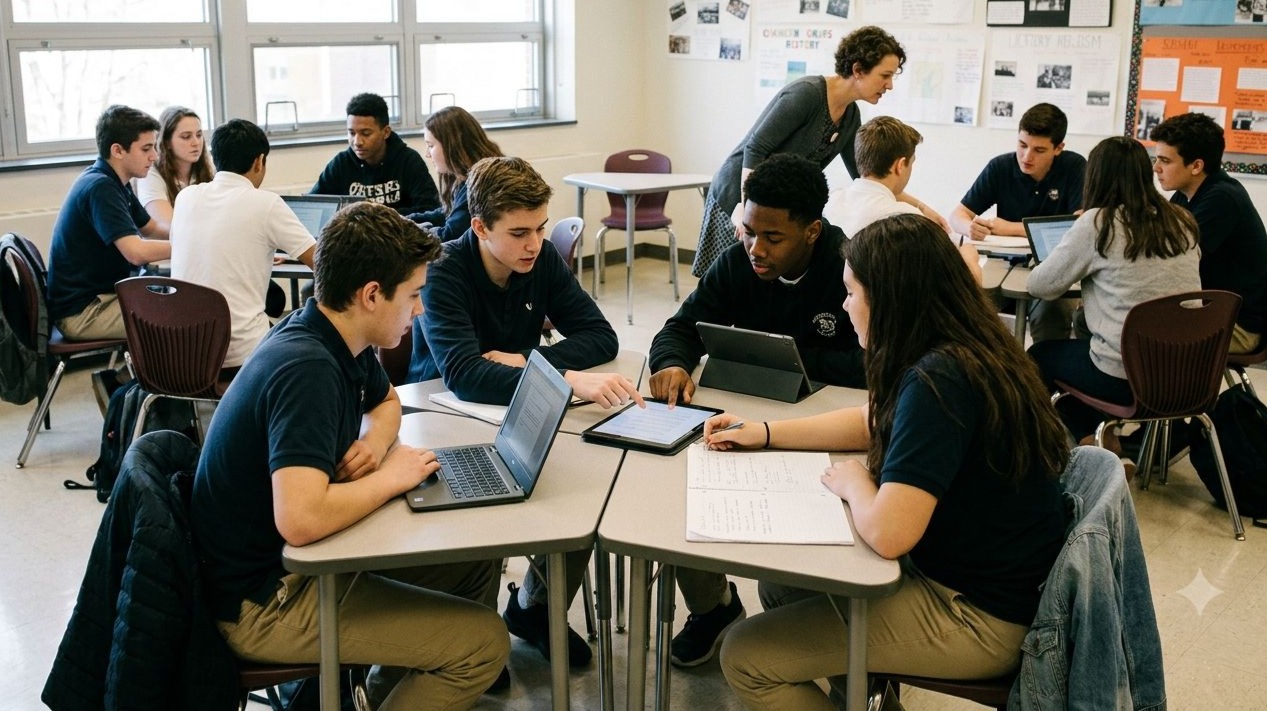
Core Science Courses
Biology: Introduces key concepts like cell structure, genetics, and physiology.
Chemistry: Teaches how substances interact, which is vital for later courses in organic chemistry and pharmacology.
Physics: Covers topics like motion and energy, and helps with understanding technology used in medicine.
These three science classes are fundamental for most pre-med requirements that medical schools look for. But what about other science courses…?
Advanced Science Options
AP or IB Biology, Chemistry, Physics: These courses will help you prepare for the rigors of college courses.
Anatomy & Physiology: These courses will provide the foundation for and a preview of what you’ll learn in medical school.
Psychology or Sociology: Both fields are crucial to understand more about understanding others and social determinants of health.
Math Courses
Algebra and Geometry: Foundational math is needed for the MCAT and beyond.
Pre-Calculus and Calculus: These courses are typically needed for college chemistry and physics.
Statistics: Helps with interpreting medical research and data.
In particular, AP Calculus and AP Statistics are both recommended if your school offers them.
Communication and Critical Thinking
English Literature, Writing, and Rhetoric: Build skills in reading, writing, and analysis, which are crucial to apply to medical school, learn empathy from putting yourself in other people’s shoes, and publish medical research.
Public Speaking or Debate: This course (and extracurricular!) boost your confidence in your clear communication skills and develop your analysis skills.
History and Sociology: Increase your understanding of how the world works, cultural awareness, ethical reasoning, critical thinking, and writing skills by taking history and social science courses together.
Languages Other Than English
Spanish: In the U.S., Spanish is one of the most useful languages to learn to serve patients effectively.
French: If you are planning to practice medicine in Canada, learning fluency in French is essential!
Other Languages: Learning another language may help you connect with your roots, help international patients, and better serve patients here in the U.S.
If your school offers four years of a language, stick with it; fluency takes time!
Health and STEM Electives
Medical Terminology: Teaches the sometimes difficult language and acronyms of healthcare.
Computer Science: There’s now a growing importance in digital health and medical research.
Biotechnology: A great introduction to lab work.
Check with your school to see if there are partnerships with local hospitals or Career and Technical Education (CTE) programs.
Advanced Programs: AP, IB, and Dual Enrollment
Taking the most challenging classes available to you shows commitment and helps you prepare for college.
AP Biology or Chemistry: These courses can simulate a college-level science experience.
IB Higher Level Sciences: Great prep for international students or those in IB schools.
Dual Enrollment: By dual enrolling, you will simultaneously take your high school courses and take classes at a local college. This can be a great option if your school doesn’t offer AP courses or if you want to explore topics your school may not offer, like medical ethics or epidemiology.
HSAFP Courses: Soon, HSAFP will offer accredited courses for high school students to explore medicine with our physician-instructors!
We recommend you ask your school counselor how you can challenge yourself (without becoming too overwhelmed or burned out!).
Best Extracurriculars for Pre-Med Students
Outside the classroom, your activities give colleges insight into your values and interests. Here’s where you can start:
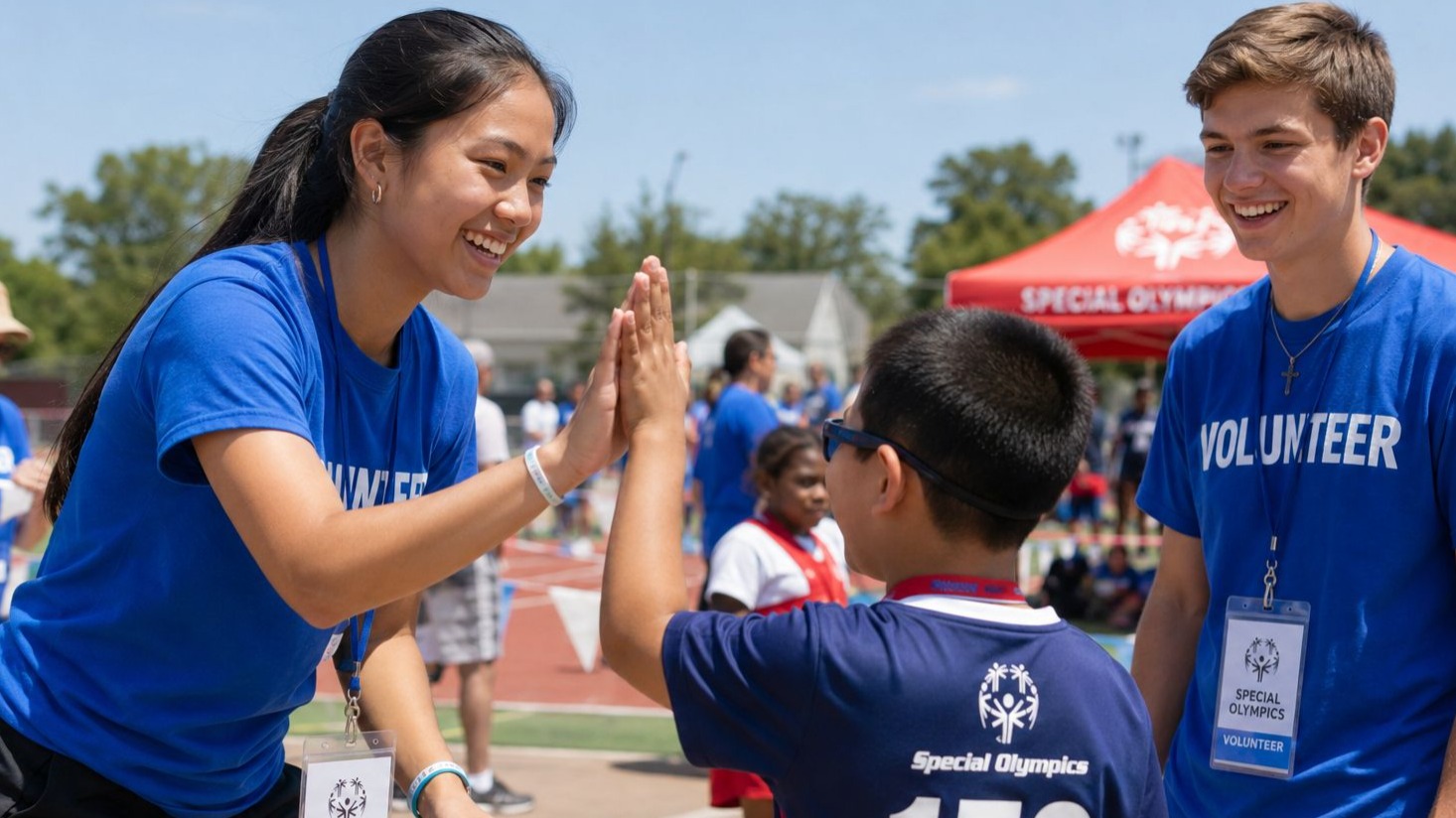
Volunteering
Hospital or Clinic Volunteering: Many hospitals have junior volunteer programs for teens.
Community Health Events: Help with vaccine drives, blood donation events, or public health campaigns.
Consistent service shows your dedication to the medical field, humility, and lifelong learning. See the HSAFP curriculum, specifically our non-clinical volunteering course, for more information!
Shadowing a Medical Doctor
Shadowing lets you observe physicians and other medical professionals in different situations. You’ll want to note, though, that finding these opportunities can take some perseverance, especially as a high school student.
Start by asking your own doctor or using connections from your school or family. When you reach out, be polite and explain your interest. Don’t be afraid to reach out to them again if they don’t respond. Physicians are very busy!
If in-person options are limited around you, you can participate in HSAFP’s curriculum and view the MedSchoolCoach Virtual Shadowing Program to watch practicing physicians talk through patient cases. You will also earn certificate as well upon completion of the shadowing!
Science Research and Competitions
Science Fairs: Seek out local and national competitions recommended by your guidance counselor and teachers.
Research Internships: Some hospitals and universities offer summer programs for high school students. For more information about research opportunities and alternatives, see our HSAFP Research Journal Courses.
Biology or Chemistry Olympiads: These activities are of course competitive but excellent enrichment.
You can also design your own research project with guidance from a science teacher. Ask around!
Science or Medical Clubs
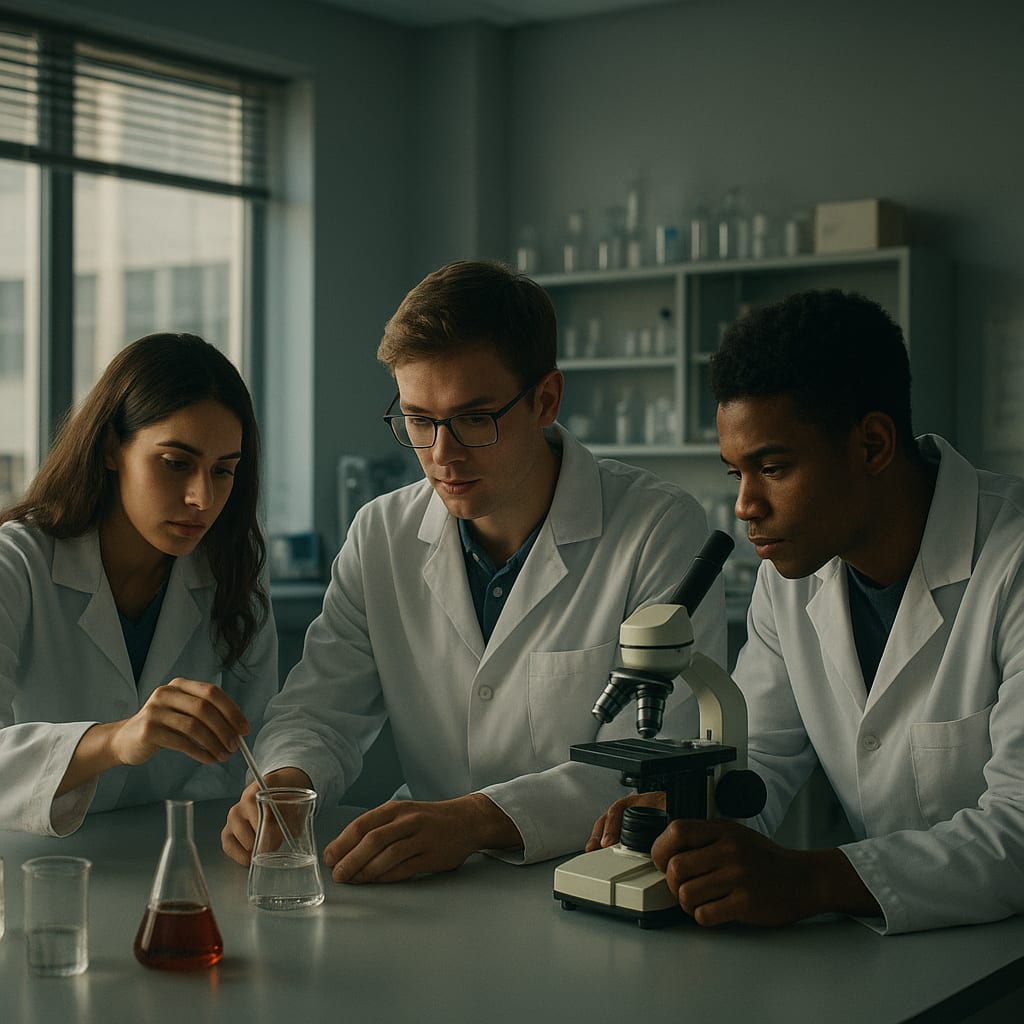
Science Olympiad: Covers biology, chemistry, and lab skills.
HOSA – Future Health Professionals: Offers medical competitions, leadership roles, and conferences.
AMSA (American Medical Student Association): Some regions offer high school chapters or partnerships with youth pre-med groups.
HSAFP (High School Alliance of Future Physicians): HSAFP offers students the chance to connect with peers, learn from healthcare professionals with our curriculum—updated monthly—and gain access to valuable pre-med resources. Starting a chapter at your school is a great way to learn about medicine and gain leadership skills.
Leadership and Communication
Student Government: Builds teamwork and advocacy skills.
Peer Mentoring or Tutoring: Reinforces your knowledge and shows you care about others.
Other Unique Opportunities: Are you passionate about seeing and preserving nature? Do you dabble in sports or in the arts? Or maybe you love video games? Seek a leadership or competitive role to showcase your talents!
Both undergraduate and medical school admissions committees are looking for students who show initiative, not just participants, in extracurricular activities.
Summer Opportunities
We recommend to use your summers to build your skills and experiences, expand your horizons, and take just a small break.
Medical Camps: Many universities host medical camps, including Stanford’s Clinical Anatomy Summer Program or Georgetown’s Medical Institute.
Volunteering: Without school in the way, you can commit more hours to serving your community and working on key AAMC compentencies.
Certifications: First Aid, CPR, or even EMT training (if you're old enough! See the requirements).
Online Courses: Take a university online course or HSAFP accredited courses.
You’ll want to plan ahead, as many of these programs have early deadlines.
How to Balance Your Coursework & Extracurriculars
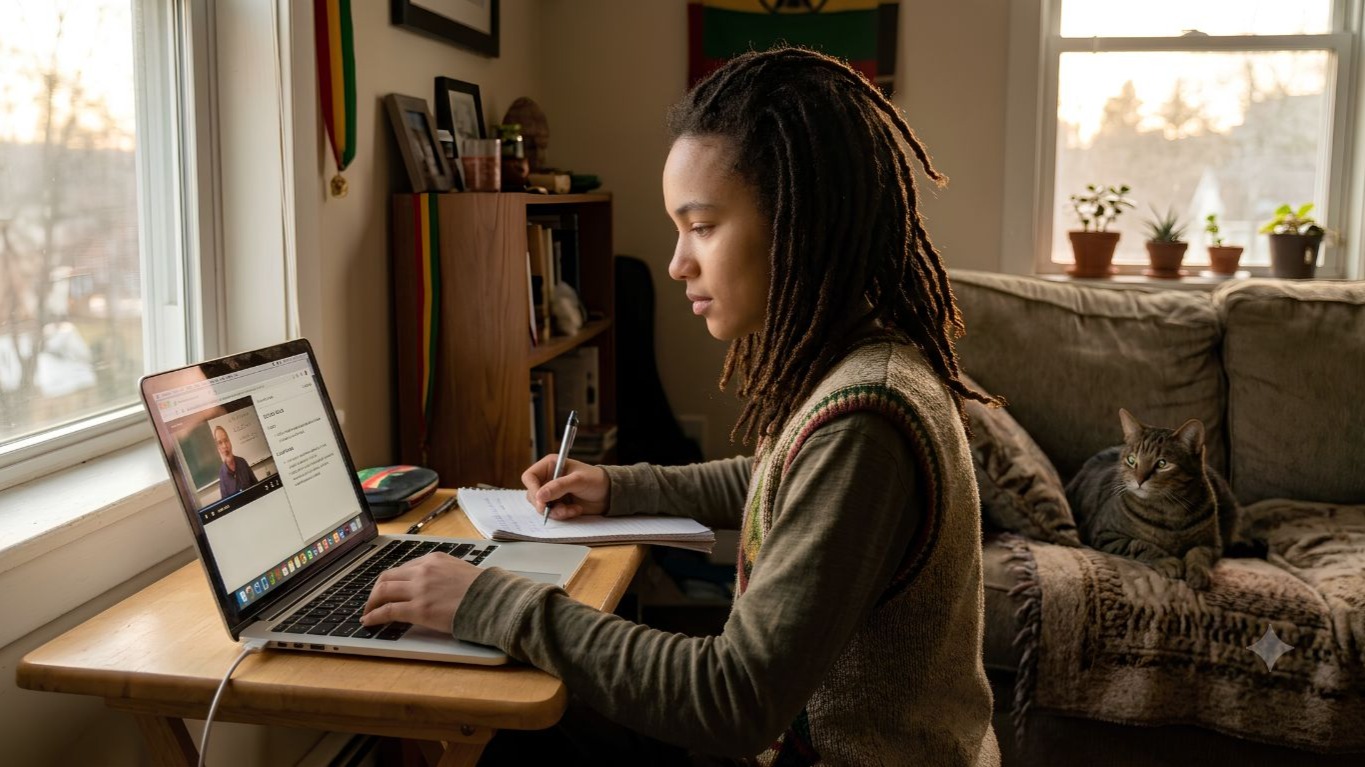
Taking tough classes and staying involved can be very overwhelming. Here’s how to manage:
Choose What Matters: Focus on a few meaningful activities that are related to your goals as a future physician, not dozens of minor activities that you have a small part in.
Use a Planner and Other Tools: Organization is essential for your success as as pre-med and beyond. Make sure to keep track of assignments and tests, club meetings, and other important dates wherever you will remember them!
Schedule Downtime: Your health matters. Schedule time for sleep, exercise, hobbies, and your family and friends.
Get Help When Needed: Struggling with chemistry, calculus, or computer science, or just life? Ask a teacher or find a tutor, talk to a school counselor, and find support from others. You're not alone in this!
Your Next Steps
Preparing for a future in medicine takes work, but starting in high school will help you ensure you have everything you need to apply to college and set your sights on medical school. Take the courses you need but also challenge yourself, get involved in meaningful activities, and build relationships with mentors who can guide you. This will help you on your path to becoming a physician. Good luck!