
How to Build Your Medical Network as a High School Student
Building a supportive professional circle early on is a game-changer. Learn how to secure mentors, expand your network, and overcome introversion as an aspiring doctor.
The connections you make in high school can be crucial in shaping your path towards a medical career. In particular, finding mentors and networking with peers who share your interests can provide invaluable guidance, open doors, and build confidence.
But how exactly do you start this important journey, especially if you don’t know anyone in healthcare? In this article, we’re going to explore some strategies and resources that will help you begin forming meaningful connections.
Mentorship and Networking in Healthcare
Mentorship and networking are both powerful tools for high school students aspiring to medical and healthcare careers. But let’s explore the differences between them first!
You will probably meet your mentors at school, in a hospital or clinic, or in your community. Mentors are professionals who can teach you about the journey to medical school and the profession, guide you through difficult situations, and cheer you on, long after they write you a letter of recommendation. To understand more about effective mentorship, please read Henry-Noel et al. (2019) literature review about mentorship and medicine.

Networking, or building connections with people in your field, is equally important. Some healthcare opportunities, including internships, volunteer positions, and shadowing experiences, arise through personal connections rather than public listings. You can network through social media or in person events, which can lead to shadowing and research opportunities.
Having at least one mentor and continually networking with other pre-meds and healthcare professionals not only allows you to refine professional communication and relationship-building skills but also to engage with future colleagues and build lifelong friendships!
Finding In-Person Mentorship and Networking Opportunities
Face-to-face opportunities will allow you to spend more time with a potential mentor, and getting involved in clubs, volunteering, and shadowing professionals are excellent ways to start.

School Clubs and Organizations
School clubs provide one of the simplest ways to meet peers and professionals in healthcare. The HSAFP Executive Team, along with our physicians and college advisors, supplies pre-med students across the globe with research and hands-on medical workshops and courses, volunteer and leadership opportunities, and knowledge about the medical school journey.
In addition to HSAFP, you may consider organizations like HOSA – Future Health Professionals, which provides medical competitions, while other local school groups may allow for you to network as well.
However, we suggest that you don’t simply join a few groups and don’t do anything. Be an active member and leader! Remember, physicians are leaders in a number of ways (see our Medical Leadership course), and it is never too early to begin to develop those skills.
Healthcare Volunteering
Volunteering at hospitals, clinics, or nursing homes helps you meet medical professionals and understand the healthcare environment firsthand. Some tasks might seem simple, but your experience with these patients is invaluable, and the relationships you build can open doors to mentorship opportunities and additional responsibilities. Healthcare volunteering experience is also a strong addition to your resume and college applications.
Shadowing Healthcare Professionals

Shadowing allows you to observe medical professionals in action, gaining insight into daily responsibilities and patient interactions. Try asking your family physician, local specialists, or healthcare professionals you meet through volunteering or networking.
See our “How to Acquire Volunteering & Shadowing Experience as a High School Student” article to learn more.
Online Networking and Virtual Mentorship
Today’s technology makes online networking more accessible than ever. You’ll just need to be critical in choosing the sources that are reputable and helpful, and we’re here to help:
Webinars and Virtual Events
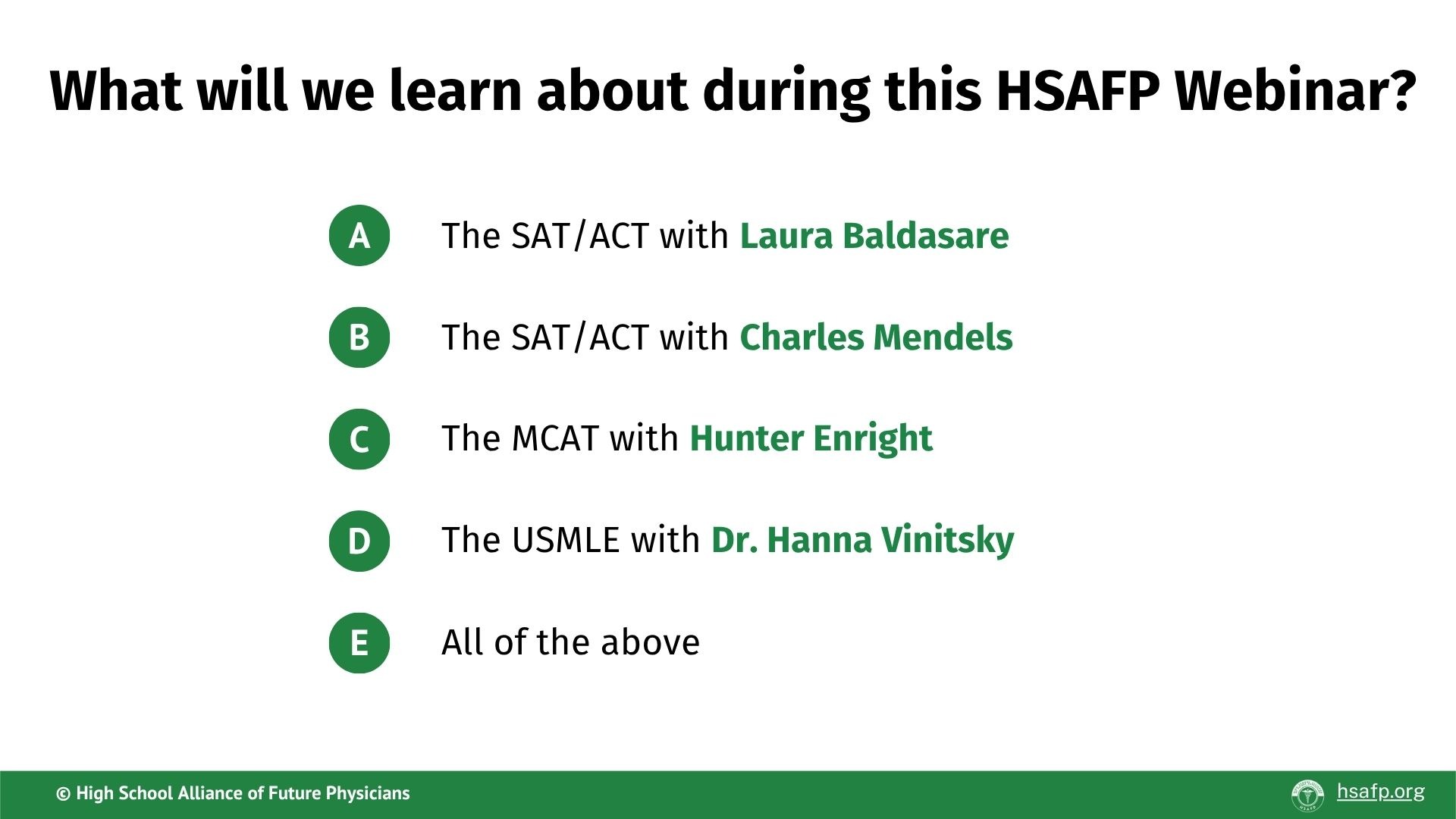
Medical schools and healthcare organizations often host online webinars and virtual events specifically designed for aspiring healthcare students. Active participation in these webinars, like asking thoughtful questions, can lead to networking and even mentorship opportunities. Always follow up afterward by emailing speakers or connecting on professional networking sites like LinkedIn.
Professional Social Media Platforms
Creating an online professional profile can significantly expand your healthcare network. Follow relevant healthcare groups and look for volunteering opportunities (but be aware that there are issues, at least currently, with false postings). Reaching out politely to professionals whose posts interest you can initiate valuable mentorship relationships and ongoing dialogue about your future career.
Overcoming Shyness and Gaining Networking Confidence

“I always thought that all physicians were outgoing butterflies flapping back and forth between patients and their vibrant social lives.” — Jeffrey Lam (2019).
Lam, who was a medical student at the time of writing the AAMC article, acknowledges in the quote above the stereotype—and maybe even expectation—of physicians being extroverted.
We are here to tell you that while having people skills is important, feeling shy or intimidated about networking is completely normal! We suggest gradually expanding your comfort zone:
Start by practicing networking with someone you know. You can ask a friend (or a pet. We can vouch that they are great listeners!) to help you practice speaking.
Prepare for conversations by writing down key questions or topics that you can come back to, which can reduce anxiety and ensure productive interactions.
Utilize existing relationships, such as connections through your school counselor, teachers, or family members, to make initial introductions easier.
And, if you’re just more of an introverted person, embrace this as a future physician! Lam affirms that compared to more extroverted physicians, “introverts may instill the same level of comfort to their patients through active listening, reflective thinking and compassion.”
Take Immediate Actions to Begin Networking
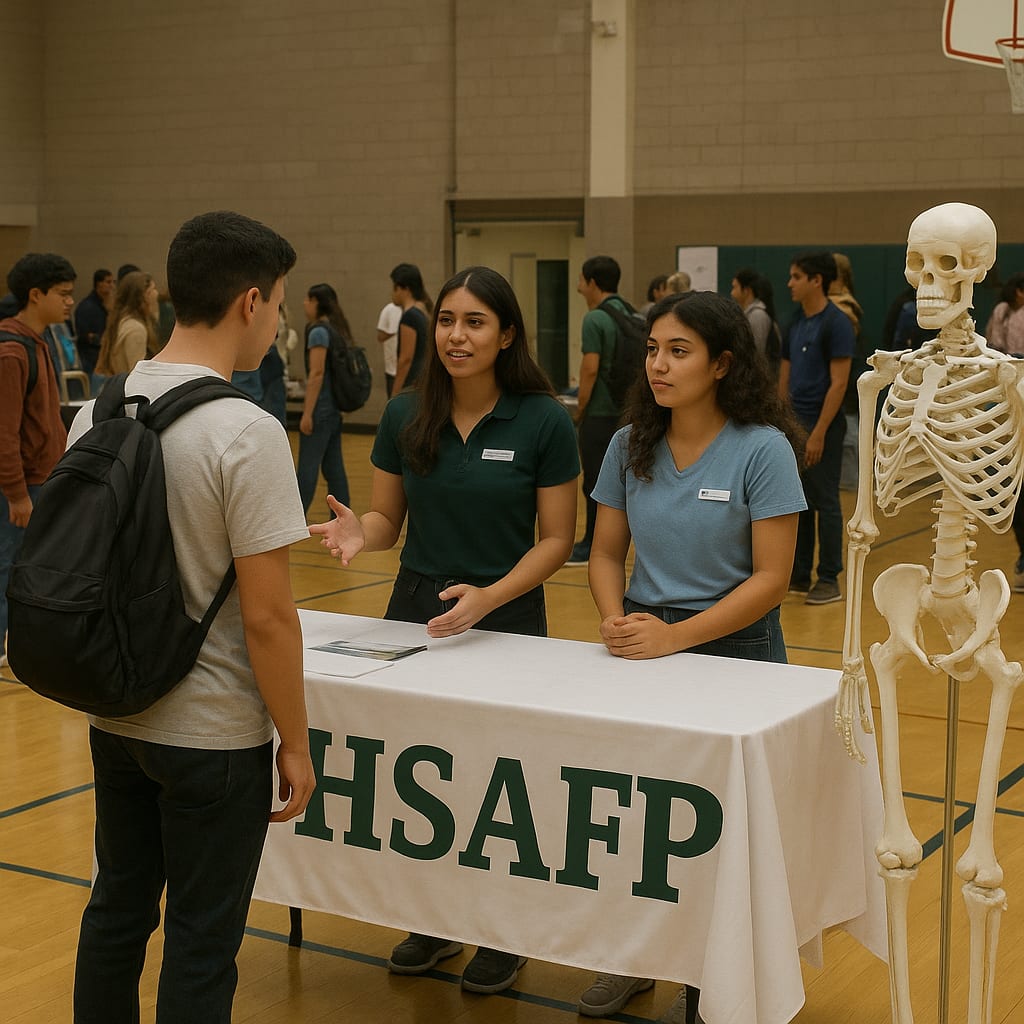
The best time to start networking is right now. Immediate action creates momentum!
Join or start a healthcare-related club at your school.
Sign up to volunteer at a local hospital, clinic, or nursing home.
Attend local healthcare events and introduce yourself to speakers or attendees.
Reach out to healthcare professionals you’ve met or admire online through email or LinkedIn.
Don’t Delay on the Next Step Toward Your Future
Whether attending a club meeting, starting volunteer work, or reaching out to a healthcare professional online, every step will impact your success and satisfaction in your future healthcare career. We suggest choosing one action to take from this article within the next week!